

I.L. / Story and Art by OSAMU TEZUKA / English Translation by MOTOKO TAMAMURO & JONATHAN CLEMENTS / Lettering by AYOUB BENSIDI / Published by TITAN MANGA
Imari Daisaku was a revolutionary Japanese filmmaker in the 1960s. Alas, his fanciful films fell out of favor in a nation more concerned with science than what might be. His wife left him and his prospects are low indeed. Until he is invited into a luxurious mansion and a party hosted by one Count Alucard.
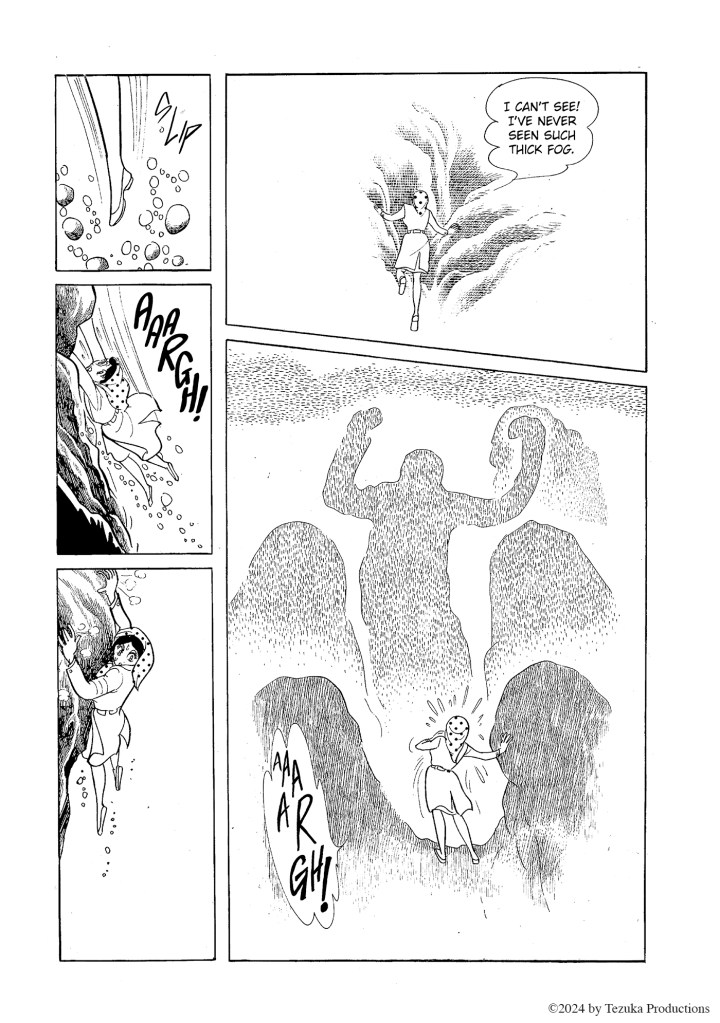
Alucard is a fan of Daisaku’s work and has a new role in mind for him: a director of reality. Someone who can remind the world that impossible things exist. To that end, he is given the services of a shapeshifting woman called I.L. who can impersonate anyone perfectly. All she needs is someone to guide her. Thus begins an unusual partnership, as Daisaku and I.L work to use her amazing power to help those in need and see justice done.
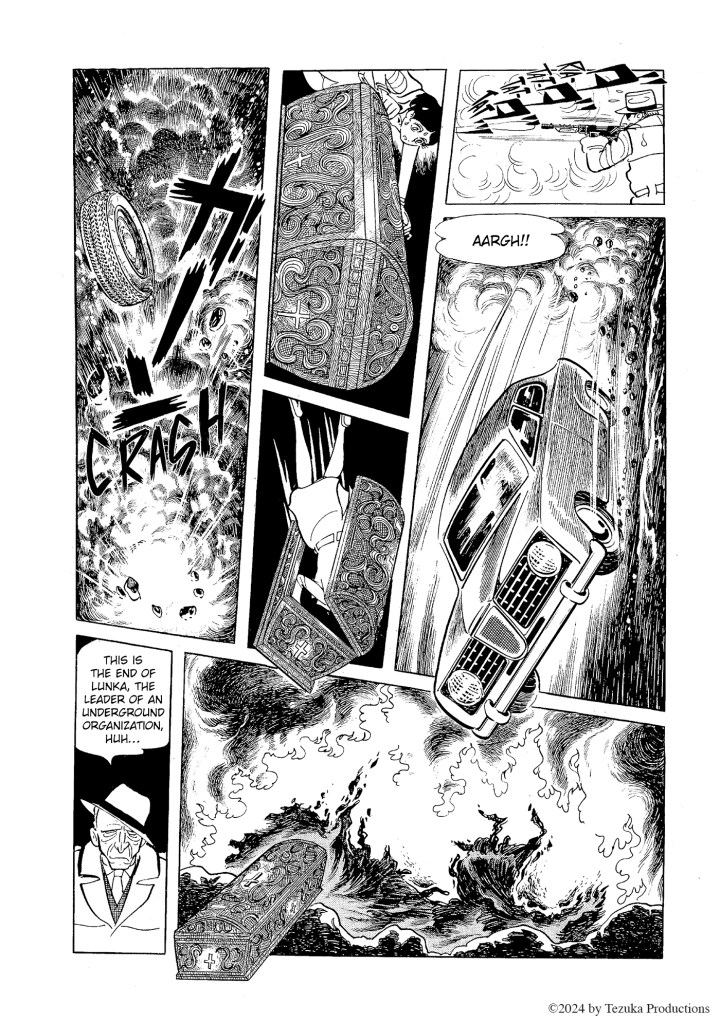
I am familiar with Osamu Tezuka in a general sense. The man is rightly hailed as the “God of Manga” and “Father of Anime” among other honorifics. Yet I fear that (like most Americans) I mostly know Tezuka from his works that were translated into English and aimed at children. I.L. came as something of a shock then, being closer in tone at times to the works of Junji Ito than the man who brought us Kimba the White Lion and Mighty Atom.
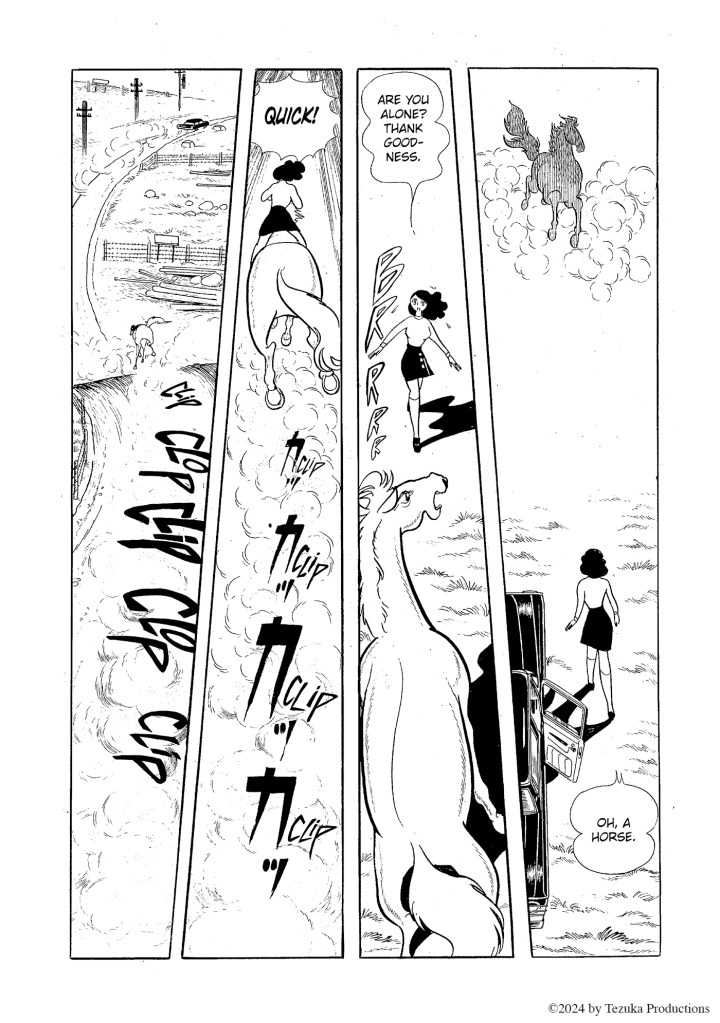
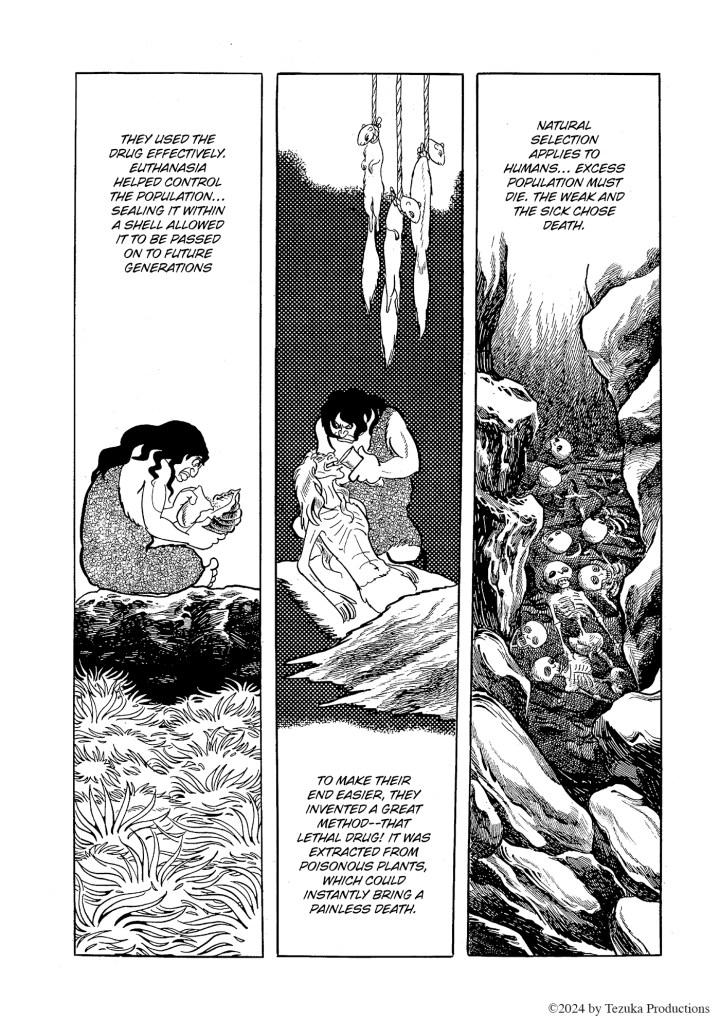
There is sex and violence in plenty in I.L. There are sexual assaults. There are people being shot in the head and burned horribly. There is even a bit of body horror. Beyond that, this is a political story, with the cases Daisaku and I.L tackle involving war crimes in Vietnam, euthanasia, and other social issues. In short, when Titan Manga says this volume is Suggested for Mature Readers, they aren’t joking. Heck, the volume opens with a warning from Tezuka Productions, warning readers about some of the racist caricatures common to Manga of the time and a reminder that Tezuka’s stories were all about inclusion and fighting hatred.
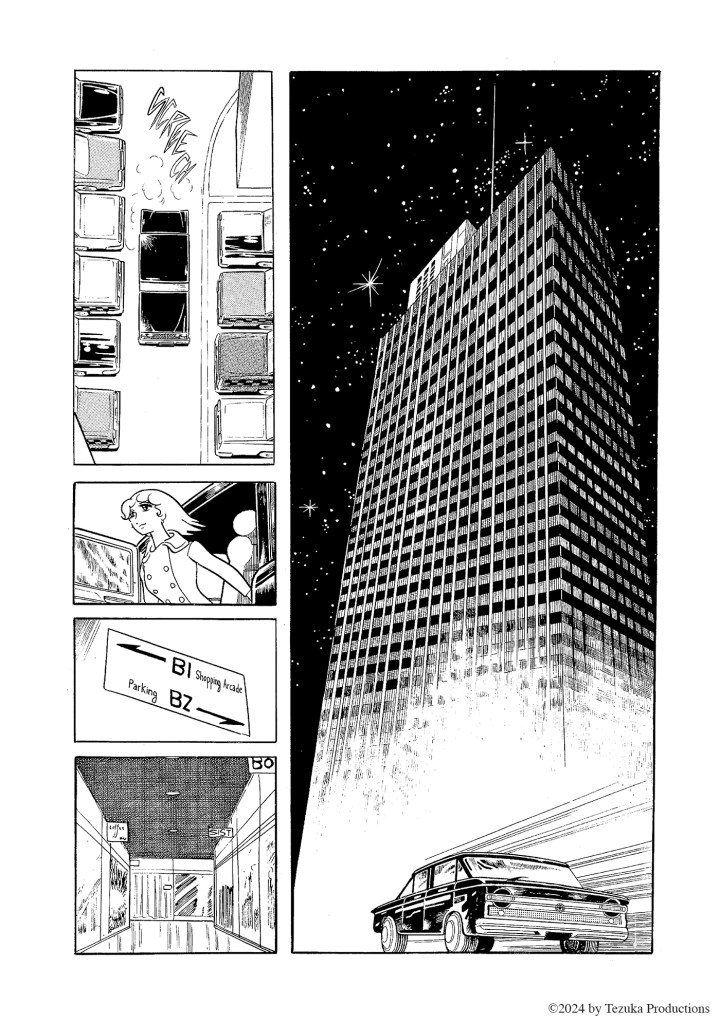
Beyond that, one can see the same themes Tezuka tackled in other stories, but with a bit more maturity. I.L., much like Mighty Atom, suffers from imposter syndrome and wishes to be loved. The only difference is that she desires to be loved as a real woman and fears there is nothing to her beyond her ability to impersonate anyone.
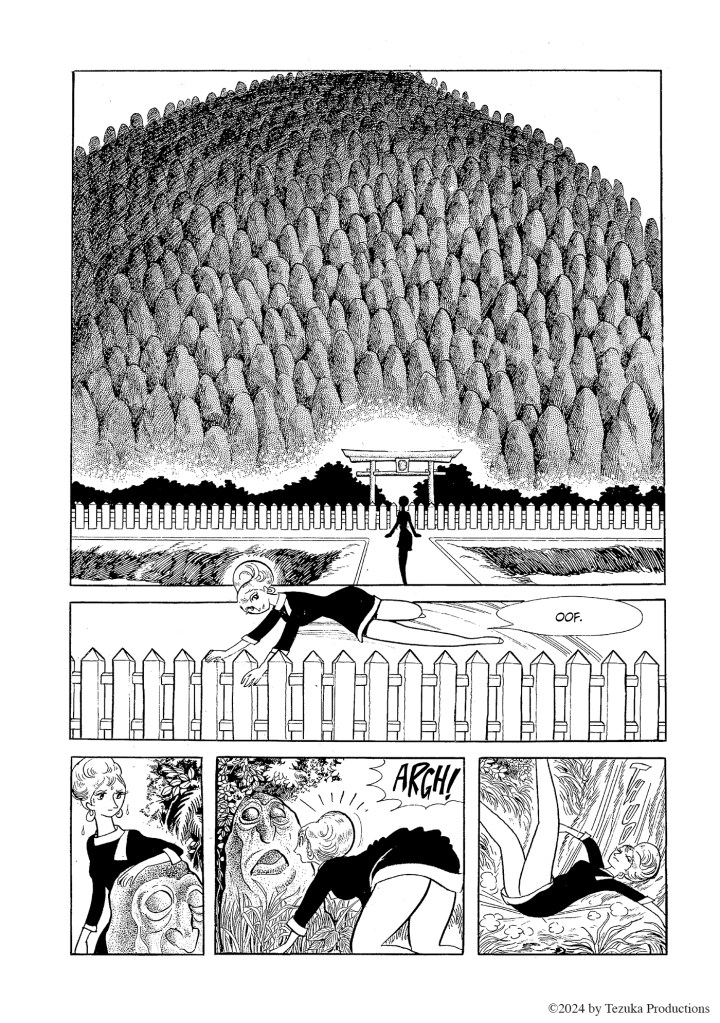
Daisaku, for his part, is an idealist, albeit one struggling to find something real to believe in. This makes it impossible for him to view I.L. as a real person rather than an instrument of his new role. Their relationship blossoms naturally, amid cases involving murder investigations, helping a dying woman reconcile with the lost love that abandoned her, and a fellow director Daisaku fears is mistreating his actresses.
I.L. is a thoughtful work, simultaneously a product of its time and yet, because of its relatable characters, timeless. It is a prime example of why Osamu Tezuka is regarded so highly. It is a must read for any English-speaking manga fan with an interest in the history of the artform and quality comics.
I.L. arrives in stores on December 24, 2024.


 Kabooooom!