
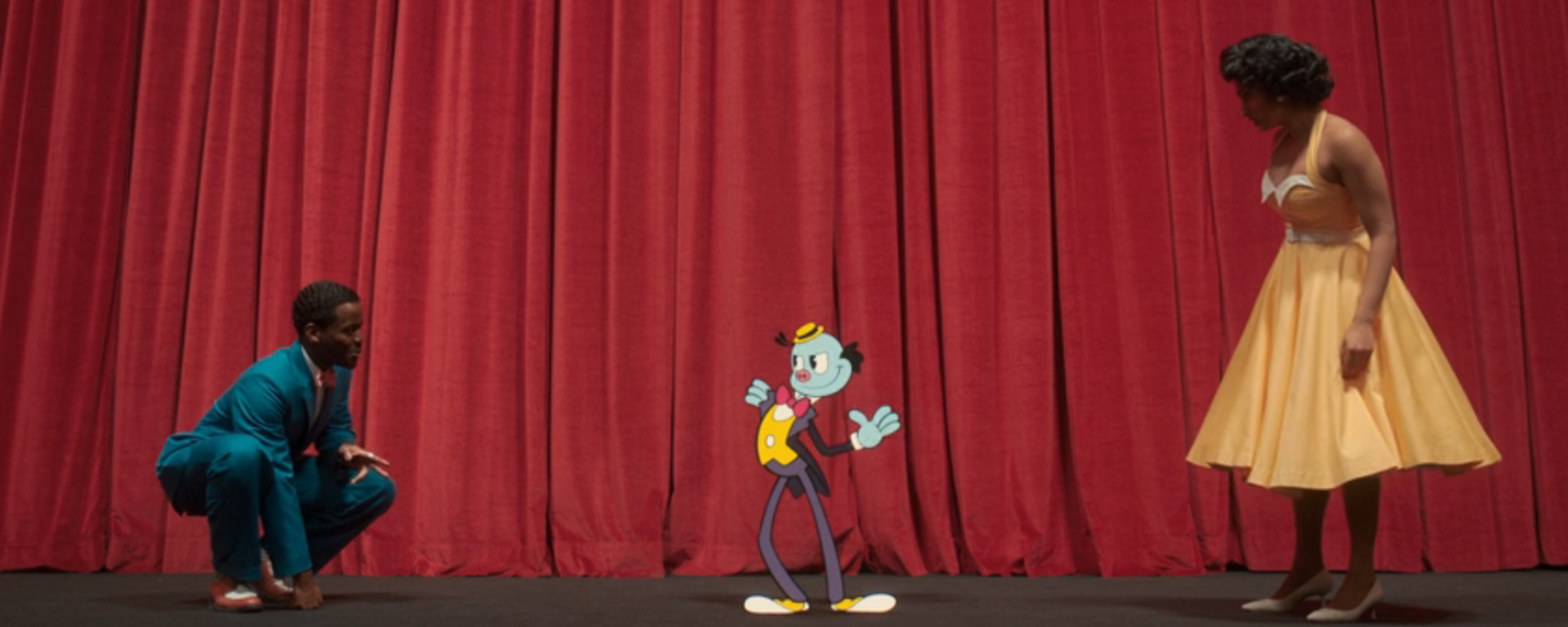
As a single episode, Lux has a lot to take in. In this respect, it is comparable to last week’s The Robot Revolution. However, that episode was busy simply for how much Russell T Davies had to establish regarding the new companion and the new season’s storyline. Lux is busy for everything Davies wants to say as a writer.

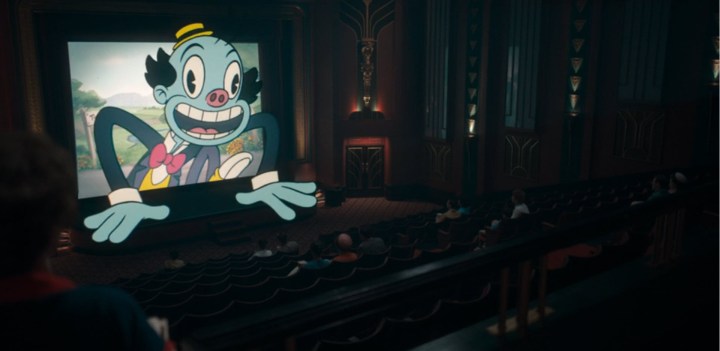
Lux finds The Doctor and Belinda in Miami, Florida, in 1952. The trip was meant to calibrate a vortex indicator (henceforth The Vindicator) so they could return Belinda to London in 2025. Instead, they get involved in a mystery involving a haunted movie theater, a creepy caretaker, and a living cartoon character with a captive audience. However, Lux is about much more than that and how well the BBC can recreate the ‘Who Framed Roger Rabbit?’ special effects.
Lux is about the power of the cinema and the memories an old movie can evoke. It is about Plato’s Allegory of the Cave made manifest. It is a meta commentary on fandom, and a much more loving one than Davies’ similarly themed Love and Monsters. To that end, it is also about how we consume media and how media consumes us.
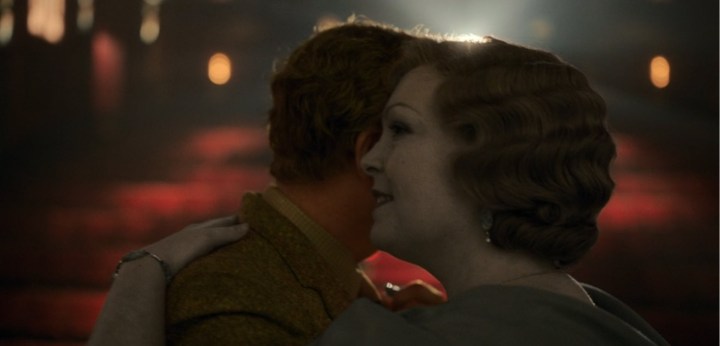
Davies also manages to explore a bit of history, when Belinda recognizes Rock Hudson’s name on a marquee because of her nursing studies. It’s an odd point, but Gen X and younger viewers are more likely to know Rock Hudson as a medical activist than for his movies. Davies also briefly tackles the elephant in the room regarding how The Fifteenth Doctor faces issues with time traveling that his predecessors never did. Thankfully, this never becomes preachy, and is all about establishing the period and challenging our heroes, as in the Classic series’ historic episodes.
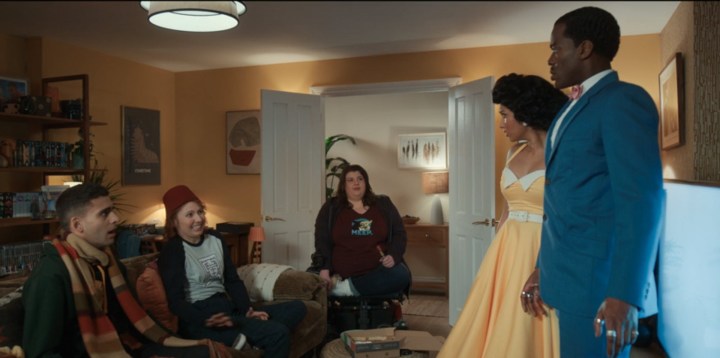
However, the most marvelous thing about the script is that Davies leans into how meta the story becomes and makes a joke of it, highlighting his sources rather than hiding them. And that is before The Doctor and Belinda wind up in a living room full of Doctor Who fans, who already had the ending of the episode leaked to them on-line. (Ironically, but predictably, this honestly did happen before this episode originally aired.)
Belinda also comments on how the haunted theater is like something out of a cartoon and says The Doctor is Scooby Doo. “Honey, I’m Velma,” he admonishes her with all the sass he can muster. In another example of the script’s foreshadowing, the two later turn into flatly-animated Hanna-Barbera characters, who literally gain depth and dimension as they reveal their emotional conflicts.
The special effects for Lux never risk overshadowing the story, though they are incredibly well executed. Doubtless Disney will get the credit for this, which is ironic given how the general aesthetic seems to be born more of the classic Warner Bros’ cartoons. Either way, Alan Cumming deserves an Emmy nomination for his performance as the demented Mister Ring-a-Ding.
Some will say that Lux is lazily written and uses its fourth-wall breaks to avoid a proper plot. But don’t make me laugh! This is an imaginative story of the kind that only Doctor Who could tell. It may not be as great as “Blink,” but it is a good episode.


 Kabooooom!
3 thoughts on “DOCTOR WHO: LUX [Review]”